
Each case opens with a true story and ends with a method. The first story of every case is free. Members read every case to the end.
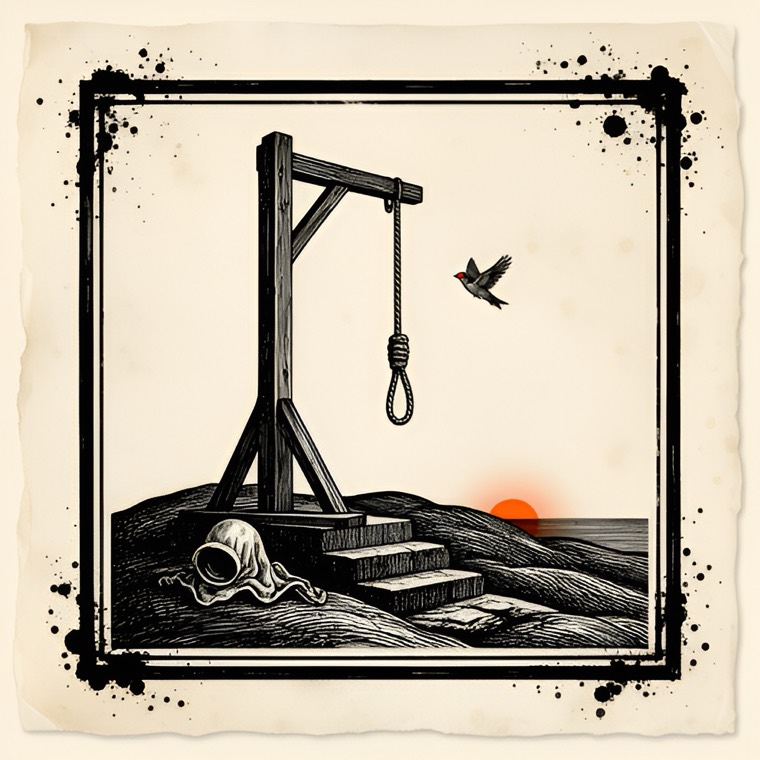
On the morning of January 18, 1985, a crowd gathered in the yard of Kobar Prison in Khartoum to watch an old man die.
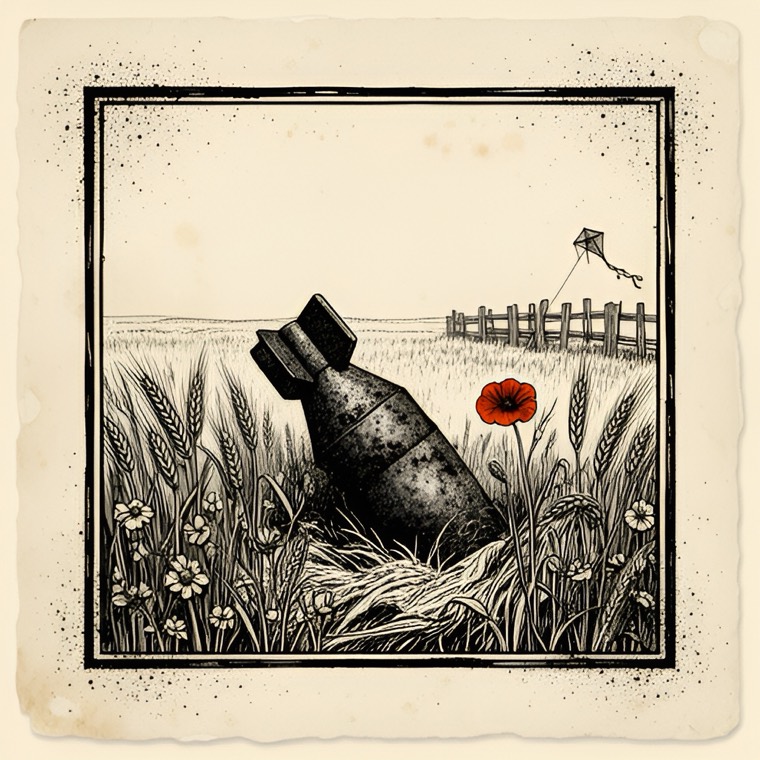
An idea does not die with the war that produced it. A command written for one battlefield can lie in a book for a thousand years, quiet and respectable, until a man with a grievance opens to the page. To understand why a religion keeps producing violence long after its wars have ended, stop looking at the killers and look at what was left lying where they could find it.
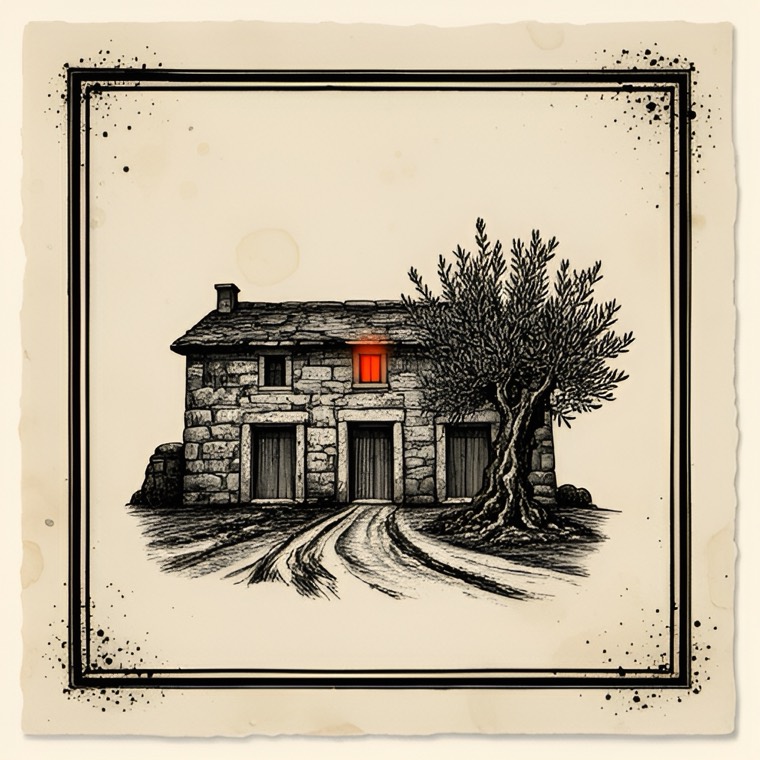
Before you can remove what is dangerous in a faith, you must know what is not dangerous in it, and say so. Most of what Muslims believe and practice is the shared inheritance of half the human race. A critic who cannot tell the house from the charge hidden inside it will be heard by no one who lives there.
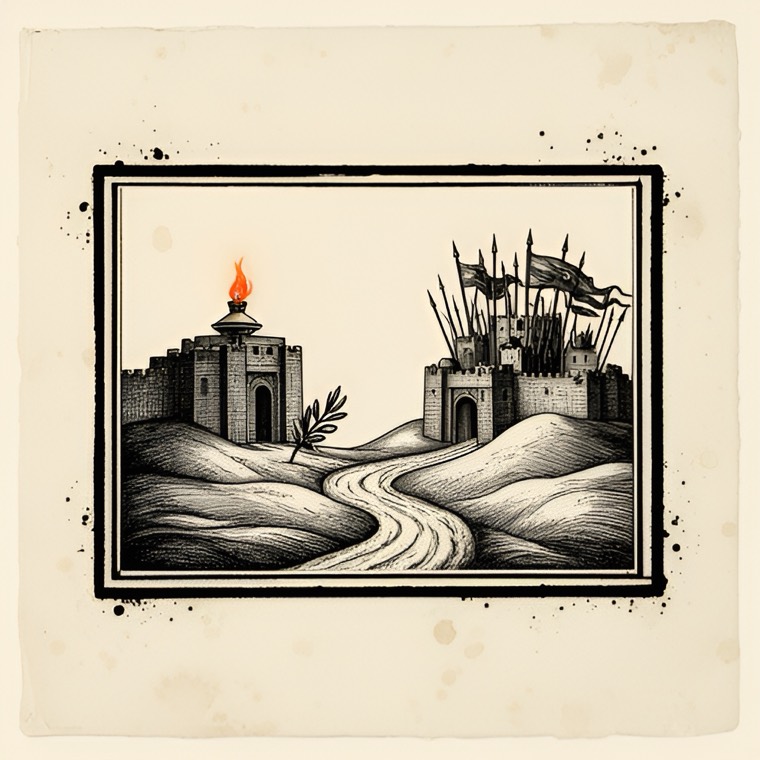
A movement speaks one language when it is hunted and another when it rules. If both languages are preserved as sacred, its heirs inherit two faiths under one name: the faith of the persecuted, which asks only to be left alone, and the faith of the victor, which commands. Which one they follow will depend on which one they are told is final.
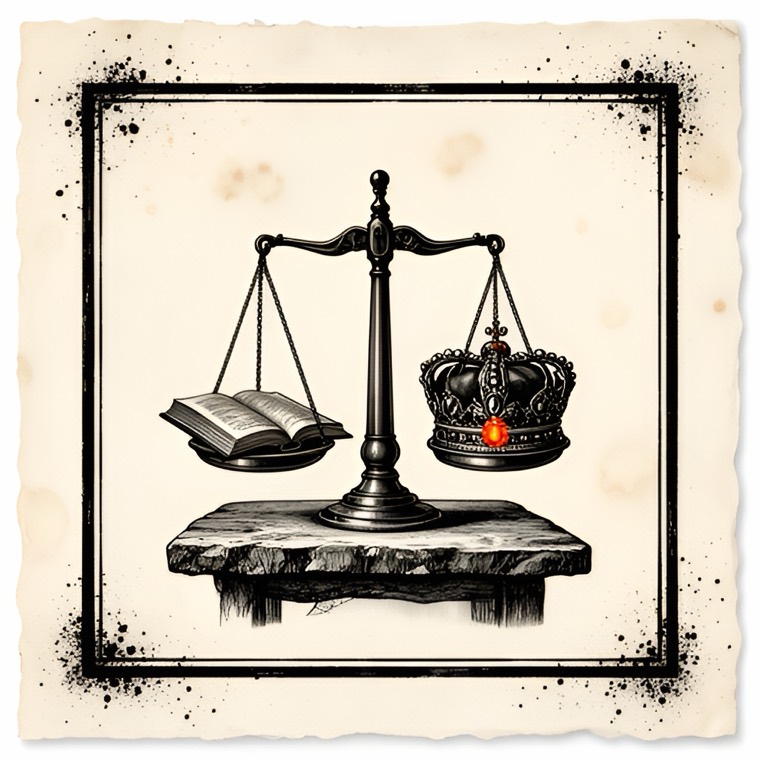
Where the power to bless and the power to punish rest in different hands, each restrains the other, and in the space between them freedom grows. Where one man holds both, nothing restrains him, and when he is gone his every act of state becomes holy precedent. The most dangerous moment in the life of any faith is the day its prophet is handed a throne.
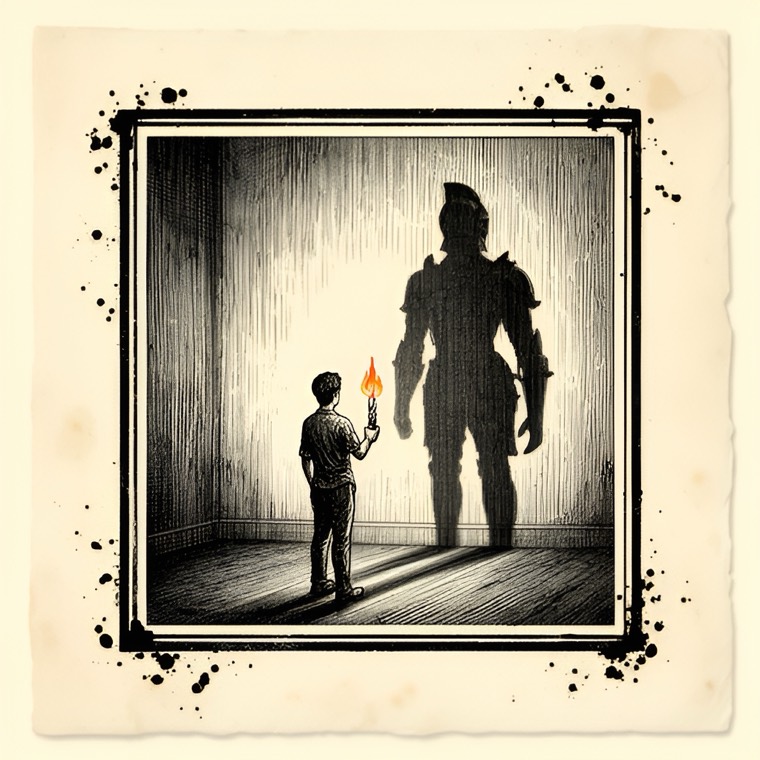
People do not kill for a doctrine because they have studied it. They kill because they are starving for significance, and the doctrine is the first thing that offers to feed them. Poverty does not make the fanatic, nor does madness. What makes him is the feeling of being no one, joined to a story in which he can become someone by a single act.
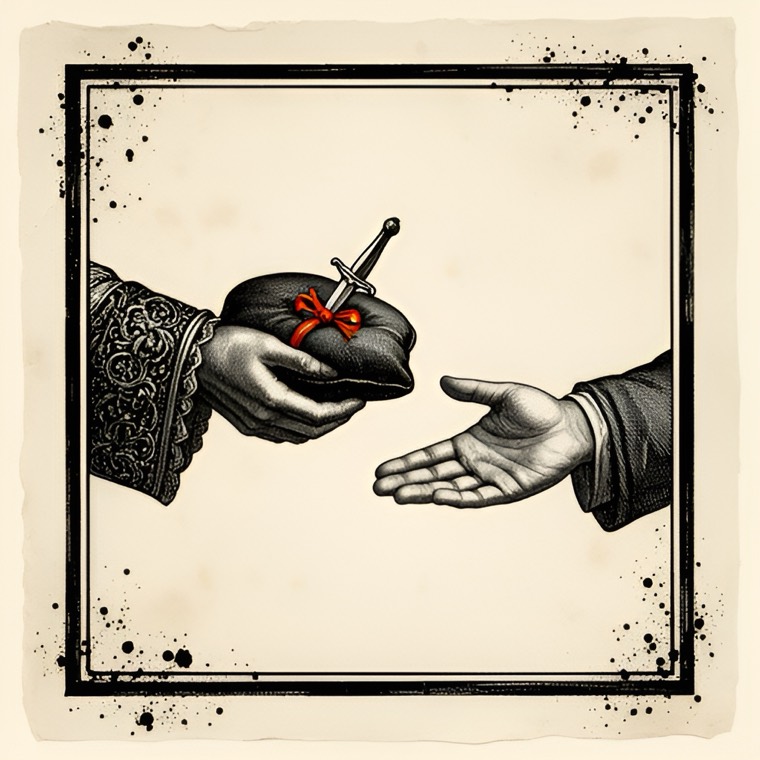
Love has to be taught, and few ever learn it. Hatred needs no teacher. The surest way to command a man is not to forbid his hatred but to bless it: give it a target, call it righteousness, and promise it a reward. The teacher who tells him to love his enemy will be admired and ignored. The teacher who tells him that God hates the same people he does will be obeyed to the death.
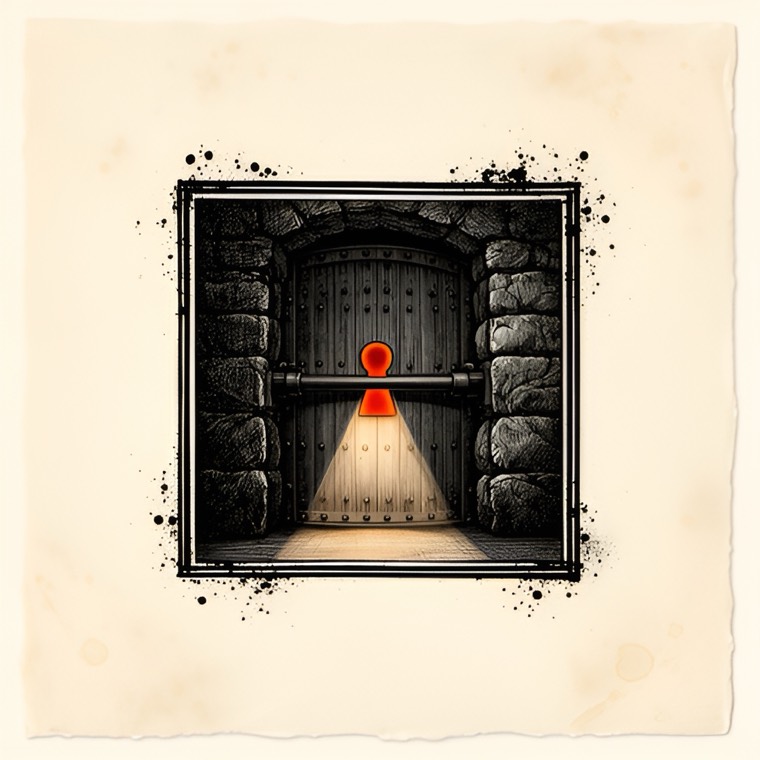
Judge any community by what happens when you try to leave it. A society you may enter with a sentence and cannot leave with your life is a garrison, whatever it calls itself. And a people who cannot leave cannot speak, for every honest word is spoken in sight of the door and with knowledge of what it costs to walk through.
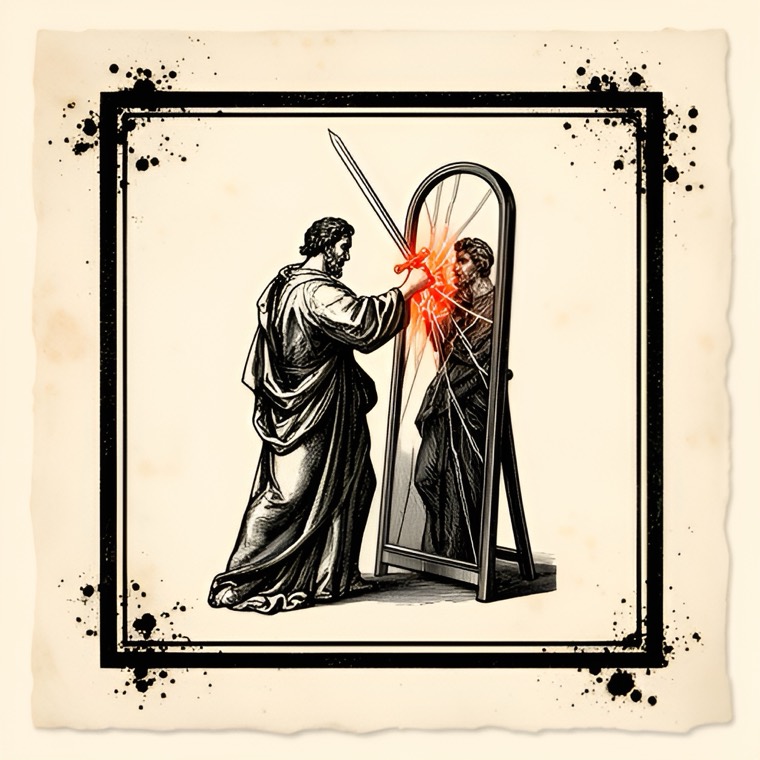
A creed that licenses the killing of unbelievers will soon discover that it has no agreed definition of a believer. The sword sharpened for the outsider is always used first on the neighbor who prays a little differently. To disarm a faith, begin by taking from every man the power to declare who belongs to it.
An arrangement that was generous in one age becomes an insult in the next. To offer a man protection in exchange for his submission was once a mercy, at a time when the alternative was the sword. Today it is a humiliation, because the alternative is equality. The remedy for an outgrown tolerance is citizenship.
Watch what rulers do and discount what their lawyers write. A doctrine may divide the world into the faithful and the enemy for a thousand years while the faithful sign treaties, marry their daughters to the enemy, and lend him their fleet. When practice has contradicted a rule for centuries, the rule is already dead. What remains is to bury it, so that no one can dig it up.
A reform that is forced on people confirms the thing it tried to change, and its victims become saints. A reform that is merely one opinion among many dies with the reformer. To change what a faith requires, you must change it in the place where the faith decides what it requires, and you must do it with the faith's own instruments.
A learned man who names a heretic and an ignorant man who kills one are two halves of a single act, though each will swear he had nothing to do with the other. Where an idea may be answered with a blade, thinking stops, for the thinkers who are spared learn what happened to the ones who were not. A civilization goes dark long before its last free mind is killed.
A reform that stops moving turns into a cage. The rules that once lifted the weak above the custom of their age will, if frozen, hold them beneath the custom of every later age. To keep faith with a lawgiver is to continue in the direction he was travelling. Standing still on the spot where he died betrays him.
Men may believe what they like about sin. The catastrophe begins when they decide that what God will judge in the next world, the state must punish in this one. A cruel law that its own keepers are ashamed to enforce is not thereby made harmless. It sits on the books like a loaded weapon in an unlocked house, waiting for the first intruder who is not ashamed.
When they tell you that a thing can never be done, find out whether it has been done already. The strongest argument against the impossibility of a change is a precedent, and the best precedents are the ones a tradition has forgotten it set.
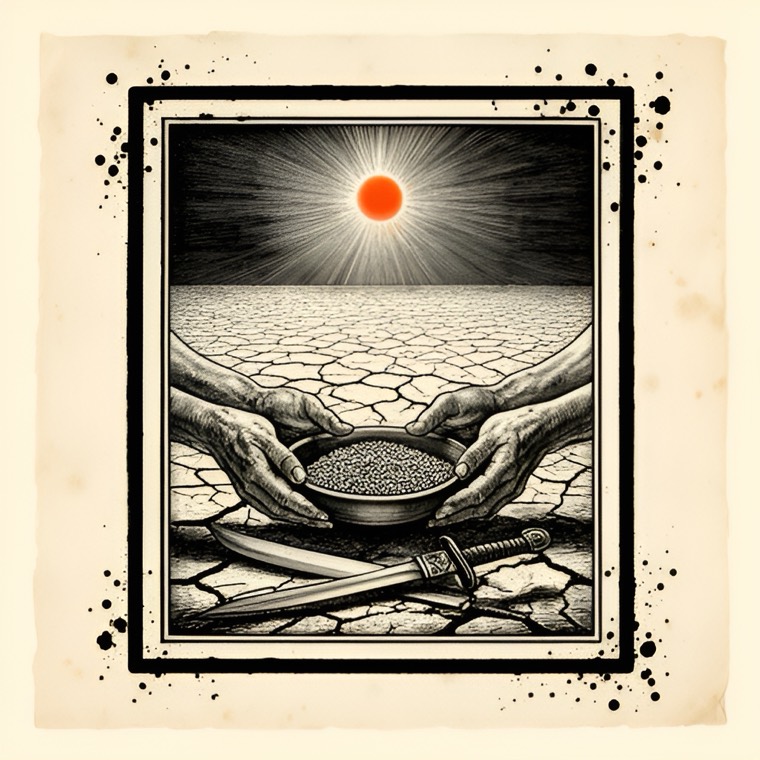
A law exists for a purpose, and whoever applies it against its purpose has broken it while seeming to obey. The men closest to the founder of any tradition understood this better than the scholars who came later, for they had seen what the rules were for. When the letter of a command begins to destroy the thing it was given to protect, fidelity lies with the purpose.
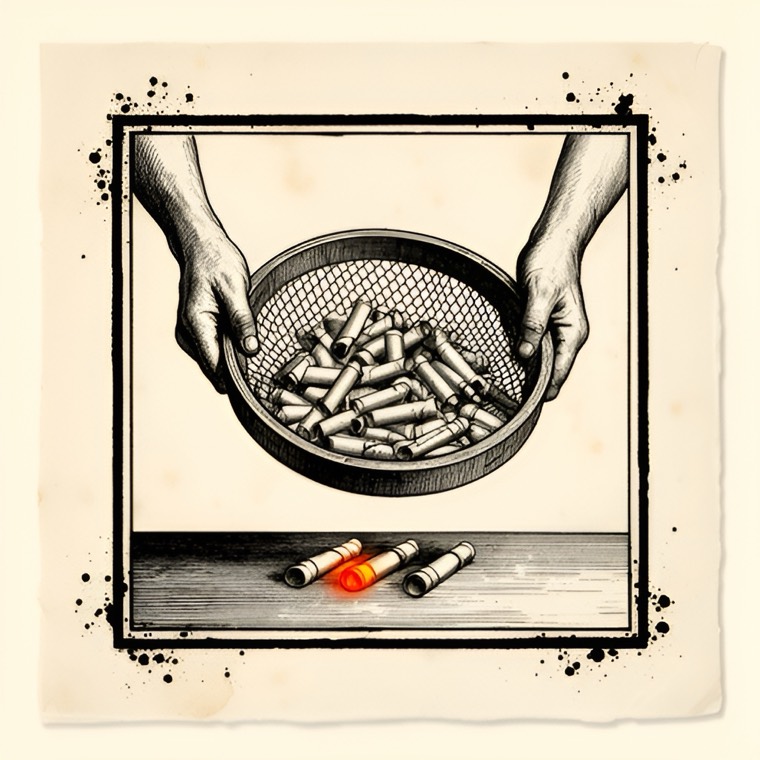
Ask of every command not only what it says but how surely it is known. The harshest rules of a tradition often stand on its weakest evidence, protected from scrutiny by the reverence that surrounds the whole. A faith that learns to grade its own sources by certainty will find that most of what troubles the world was never proven to begin with.
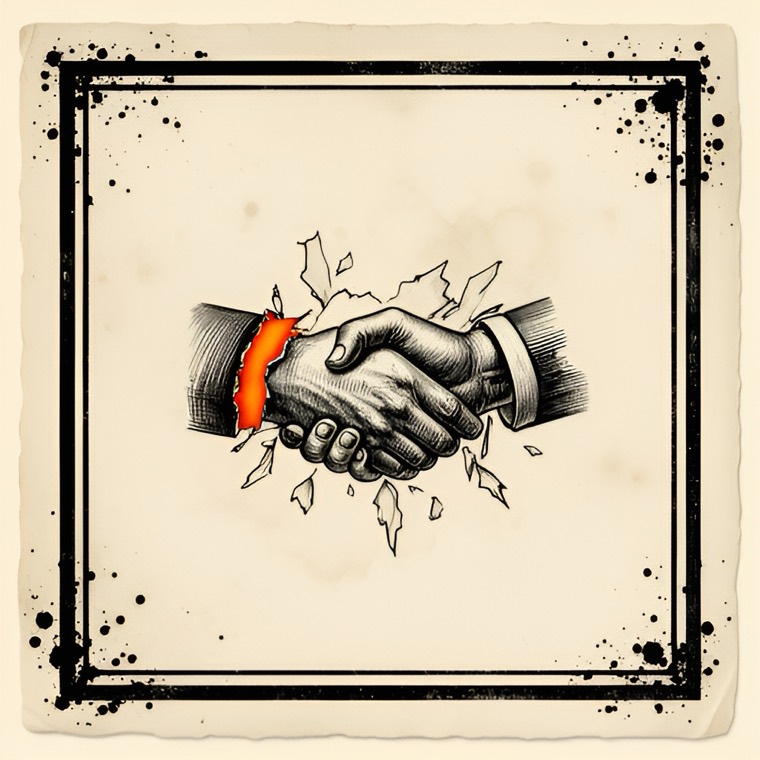
Before a man can be harmed he must be named. Every persecution in history has begun with a word, a single term that takes a neighbor with a face and a family and turns him into a category. Take the word away, and the hand that was reaching for the stone finds it has to look at a person.
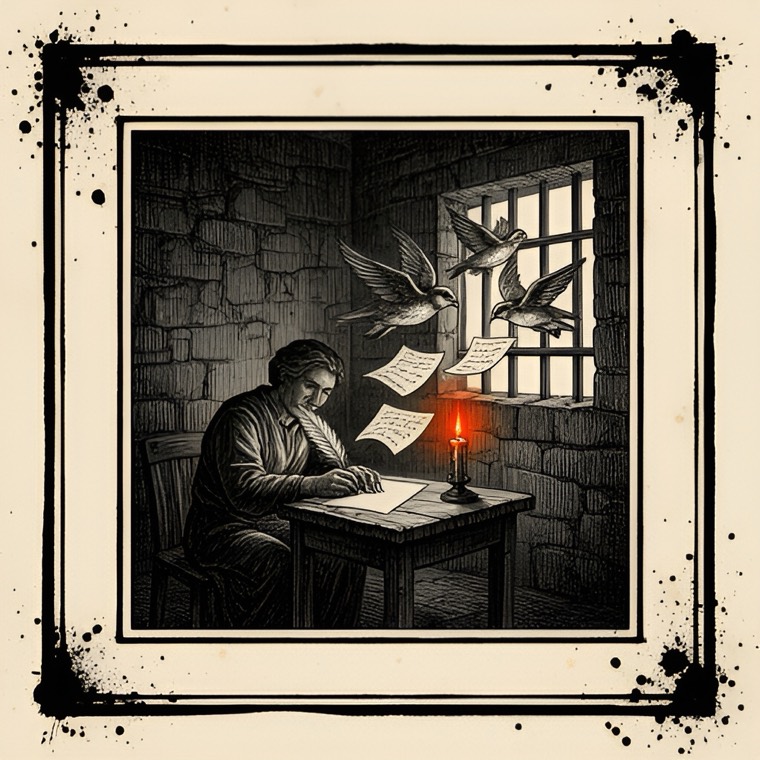
No refutation written by an enemy is worth a tenth of a confession written by a founder. When the man who built the doctrine stands up and says that he was wrong, he takes with him the authority on which every follower relied. Seek out such men and give them paper. Their repentance is the one weapon a movement cannot answer.
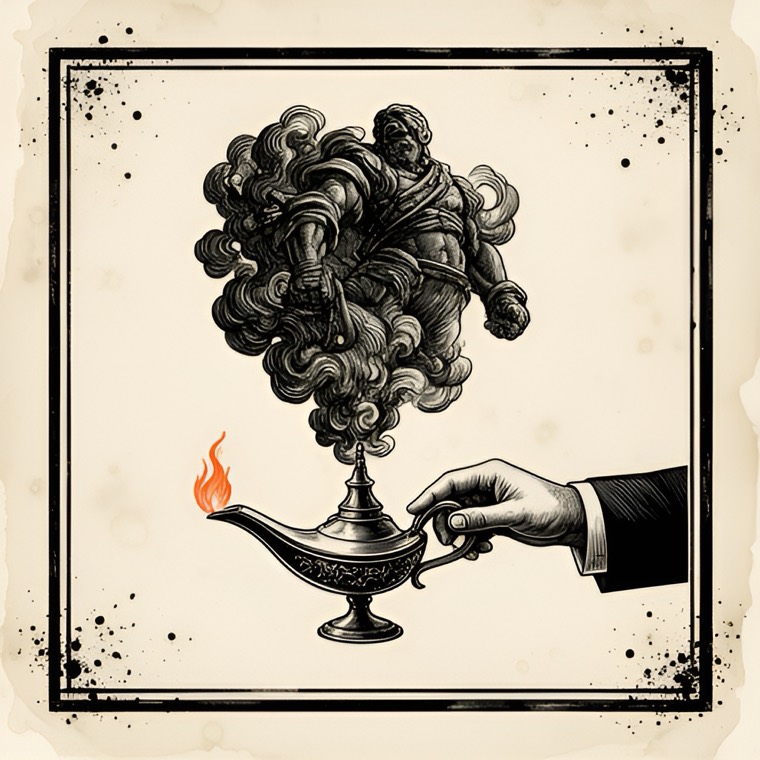
Holy war is the cheapest weapon a statesman can buy and the only one that cannot be put back in the armory. It will fight your enemy for a season at almost no cost. Then it will look around for the next unbeliever, and find you.
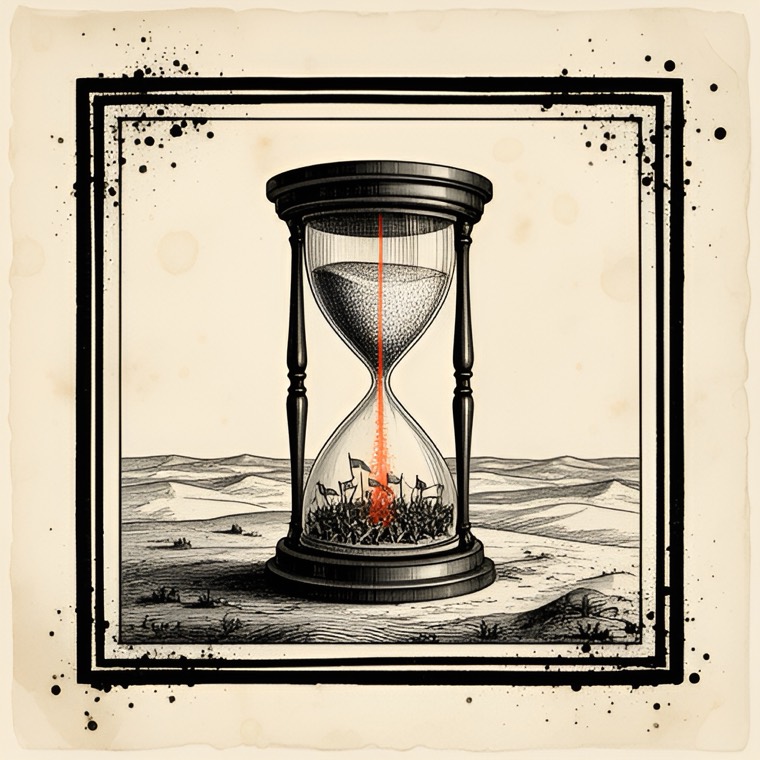
Give a man a part in the final act of history and he will ask nothing else of you. A prophecy has no need to be true in order to move armies. Enough armed men have only to believe it, and they will arrange the world to match the script. Then a quarrel that could have been settled with a map becomes a war that only God may end.
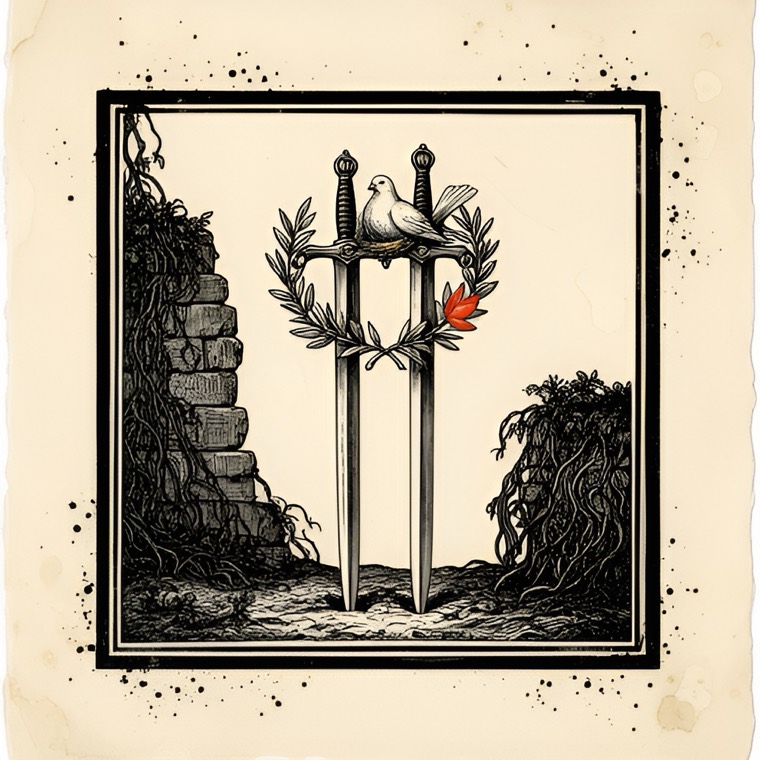
No war is eternal, however sacred its name. A war ends when someone with the authority to end it stands up and says that it is over. The men who do this are called traitors in their lifetimes and are often killed. Their treaties outlive their murderers.
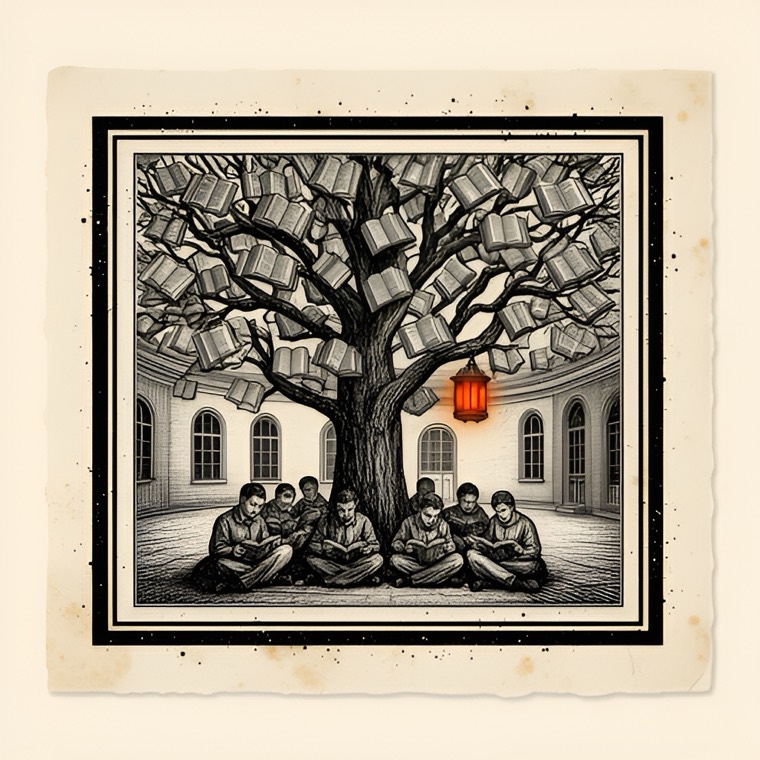
Whoever trains the teachers decides what the next generation will believe. A faith that leaves the education of its clergy to chance, or to whoever is willing to pay for it, has handed its future to strangers. Doctrine is reformed in the seminary long before it is reformed in the street.
What a throne has made sacred, a throne can make ordinary again. People do not cling to a doctrine as tightly as its guardians pretend. When the highest authority they recognize tells them plainly that a thing is no longer required, most of them put it down with relief. The difficulty lies in finding a ruler willing to say so.

The most damaging thing that can be said about a people is that none of them see what is wrong. It is seldom true. In every tradition under strain there are those who have named the trouble exactly, in their own language, at the risk of their lives. Before prescribing for a civilization, find out what its own physicians have already said.
Liberty and laxity are opposites, though the careless take them for the same thing. Freedom lives only where the law is certain, equal, and enforced without fear. Where a society grows too polite to enforce its own rules, it does not become more free. It hands its streets to whoever is least polite.
The one who has lived beside a danger knows it better than the one who has read about it. When he warns you, his manners may be blunt and his motives mixed, and still he is likely to be right. A people that will not be told by those with experience must wait to be told by events.
An argument can show that a thing is possible, but it takes an example to make people want it. Those who would turn a people away from a dark dream must show them a bright one that already exists, built by hands like their own. A single visible success persuades more young men than a library of refutations.
An argument that has not met its strongest opponents has not been tested. State the objections at their full weight, in the words their ablest defenders would choose. If the case cannot survive them, it deserved to fall. If it can, it will be stronger for the encounter.
A demand needs an address and a method. Addressed to a billion believers who wrote none of the law and can change none of it, it is only an insult. Addressed to the few hundred men who hold the authority, in the form their own tradition recognizes, it becomes a program.
The best way to win a war is to make it unnecessary. A bomb that is defused kills no one, leaves no ruin, and gives no orphan a grievance to carry for thirty years. Defusing asks for a steady hand, which neither hatred nor fear can supply.