
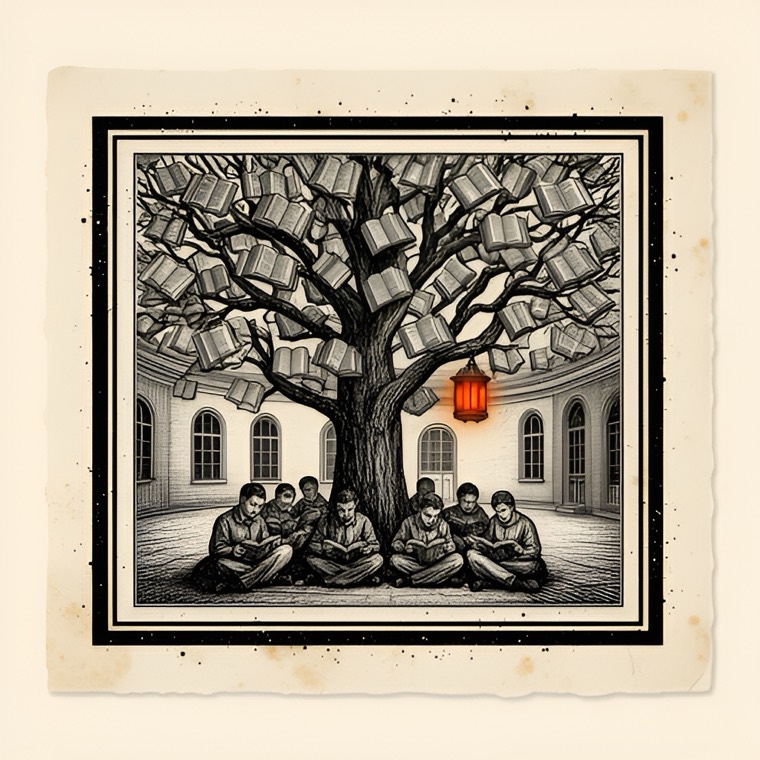
Whoever trains the teachers decides what the next generation will believe. A faith that leaves the education of its clergy to chance, or to whoever is willing to pay for it, has handed its future to strangers. Doctrine is reformed in the seminary long before it is reformed in the street.
The Night in Casablanca
On the evening of May 16, 2003, fourteen young men left a shantytown on the eastern edge of Casablanca and made their way into the center of the city with explosives strapped under their clothes.
The shantytown was called Sidi Moumen. It was a sprawl of tin roofs and open drains built around a rubbish dump, without paved streets, running water, or police. Most of the fourteen had grown up there. They were in their early twenties, and they earned what living they had by selling fish or guarding parked cars. They had been gathered up, one or two at a time, by self-appointed preachers who held prayer meetings in garages and showed videotapes from Chechnya.
That night they struck five targets within half an hour: a Spanish social club, a hotel, a Jewish community center, a Jewish-owned restaurant, and a spot near the old Jewish cemetery. Twelve of them died, and they killed thirty-three other people. Most of the victims were Moroccan Muslims having dinner.
Morocco had believed itself immune. It was an old kingdom with a relaxed, saint-venerating Islam and a monarch whose ancestors traced their descent from the Prophet. The bombers had not learned their religion from that tradition. They had learned it from men no one had trained, licensed, or supervised, who preached a doctrine imported on cassettes.
5 more minutes: The Commander of the Faithful, The Decree of Trent, Interpretation, The Method
Members read every case to the end and watch each film before release. The complete argument is also in the book.