

Every faith has carried doctrines that licensed killing, and most have found a way to retire them. Thirty-one true stories, from Toulon in 1543 to Abu Dhabi in 2019, show how it was done and what remains to be done.
Not ready to buy? Read the first story of every chapter, free.
True stories from every region and fifteen centuries. Each one isolates a single doctrine and shows how it was, or can be, disarmed.
Open the libraryThe cases as short documentary films, drawn in ink and ember. One story, one lesson, under fifteen minutes each.
See the seriesA dated ledger of the moments when a Muslim authority closed a door that the fanatics want open. It is longer than most people think.
Read the ledgerThe first story of every case is free to read.
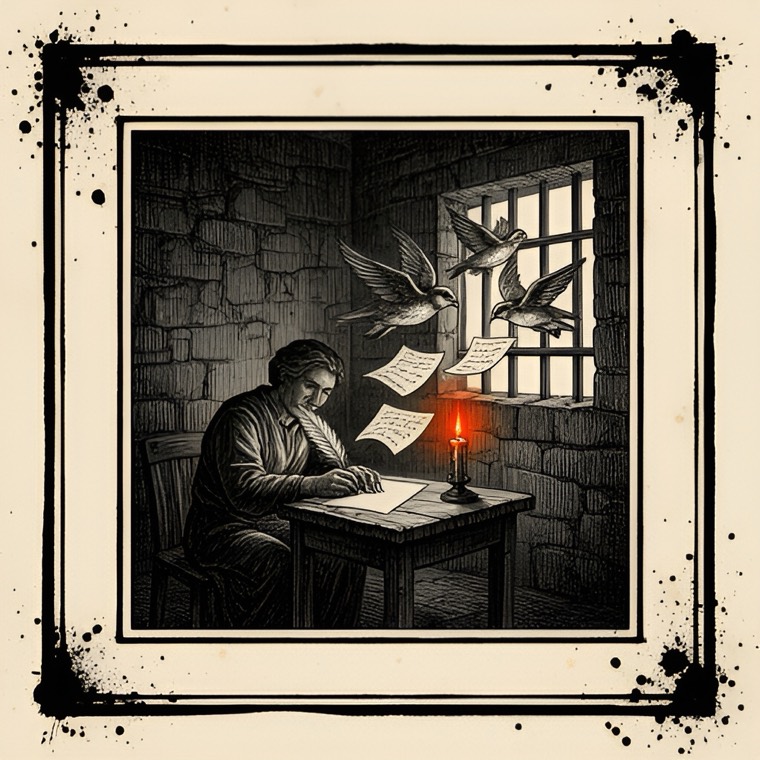
No refutation written by an enemy is worth a tenth of a confession written by a founder. When the man who built the doctrine stands up and says that he was wrong, he takes with him the authority on which every follower relied. Seek out such men and give them paper. Their repentance is the one weapon a movement cannot answer.
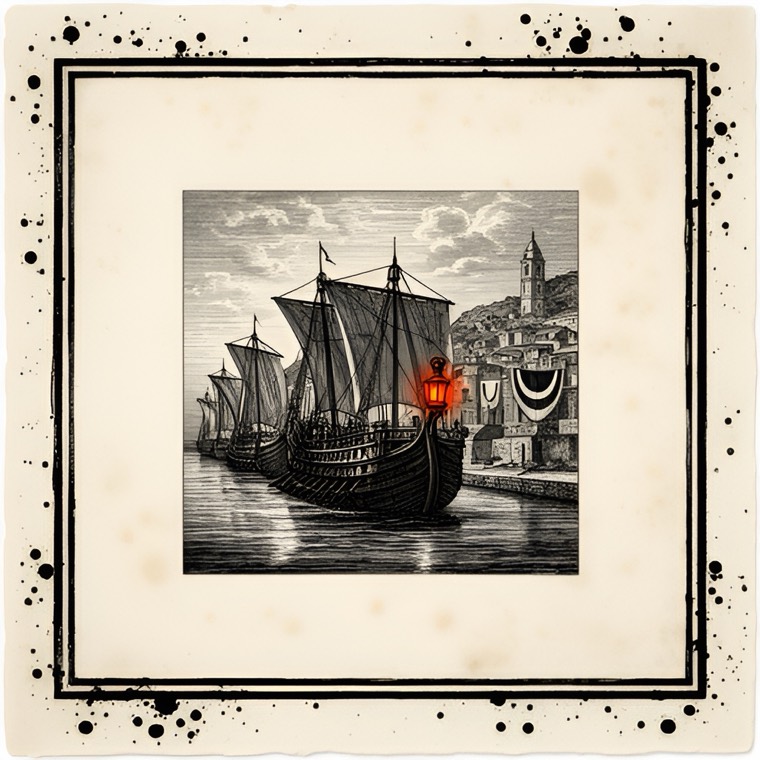
Watch what rulers do and discount what their lawyers write. A doctrine may divide the world into the faithful and the enemy for a thousand years while the faithful sign treaties, marry their daughters to the enemy, and lend him their fleet. When practice has contradicted a rule for centuries, the rule is already dead. What remains is to bury it, so that no one can dig it up.

What a throne has made sacred, a throne can make ordinary again. People do not cling to a doctrine as tightly as its guardians pretend. When the highest authority they recognize tells them plainly that a thing is no longer required, most of them put it down with relief. The difficulty lies in finding a ruler willing to say so.

An argument can show that a thing is possible, but it takes an example to make people want it. Those who would turn a people away from a dark dream must show them a bright one that already exists, built by hands like their own. A single visible success persuades more young men than a library of refutations.

When they tell you that a thing can never be done, find out whether it has been done already. The strongest argument against the impossibility of a change is a precedent, and the best precedents are the ones a tradition has forgotten it set.

An argument that has not met its strongest opponents has not been tested. State the objections at their full weight, in the words their ablest defenders would choose. If the case cannot survive them, it deserved to fall. If it can, it will be stronger for the encounter.
An idea may be examined like any other idea. A billion and a half human beings are owed the same respect as anyone else, and they are the first victims of the doctrines examined here.
The precedents that count are native ones: a Tunisian prince, an Egyptian judge, the scholars of Indonesia. Reform that arrives as an import fails.
Every argument here is set against its ablest opponent. A case that cannot survive that meeting deserves to fall.
Defuse takes no money from governments, parties or advertisers. Members pay for the films, the research and the translations, and in return they get all of it first and in full.
Free. One email a week. Leave whenever you like.
Newsrooms, schools, city halls, security teams and foundations use this material to tell a doctrine from a people, and a risk from a rumor.
The whole argument in one volume, with thirty-two woodcut plates.