
A reform that stops moving turns into a cage. The rules that once lifted the weak above the custom of their age will, if frozen, hold them beneath the custom of every later age. To keep faith with a lawgiver is to continue in the direction he was travelling. Standing still on the spot where he died betrays him.
The Platform at Cairo Station
In May of 1923 a train from Alexandria pulled into the central station in Cairo, and a crowd of women in black pressed forward along the platform to greet it.
They had come to welcome Huda Shaarawi, who was returning from a congress of women in Rome. She was forty-three, the daughter of one of the richest men in Egypt. She had been raised in a harem, in the old sense of the word: a household in which the women lived behind screens and saw no man outside the family. At thirteen she had been married to a cousin decades older than herself. She had educated herself far beyond what was thought proper for a girl. She had led veiled women through the streets of Cairo in 1919 to demonstrate against the British, which no one had ever seen before.
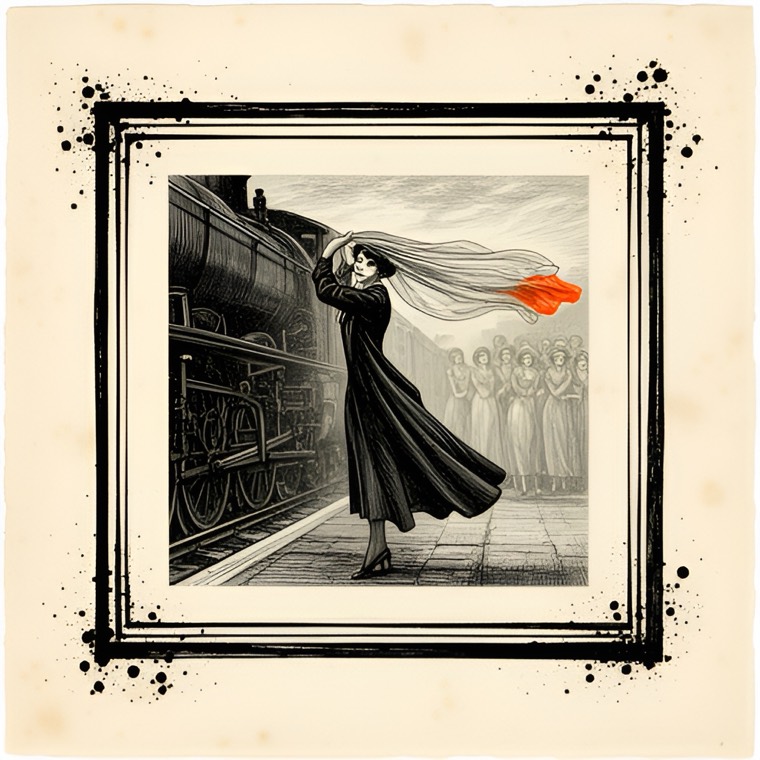
She stepped down from the carriage with a younger friend beside her. Then, in front of the crowd, the two of them reached up and drew back the veils that covered their faces.
There was a silence. A few women began to clap. Then others on the platform took off their own veils, some of them dropping the cloth on the ground. Within ten years the face veil had all but vanished from the cities of Egypt. No law was passed. One woman had done it in public, and it turned out that a great many others had only been waiting.
6 more minutes: What Had Been Gained, What Was Frozen, Interpretation, The Petition, The Lesson
Members read every case to the end and watch each film before release. The complete argument is also in the book.