An arrangement that was generous in one age becomes an insult in the next. To offer a man protection in exchange for his submission was once a mercy, at a time when the alternative was the sword. Today it is a humiliation, because the alternative is equality. The remedy for an outgrown tolerance is citizenship.
The Letter on the Door
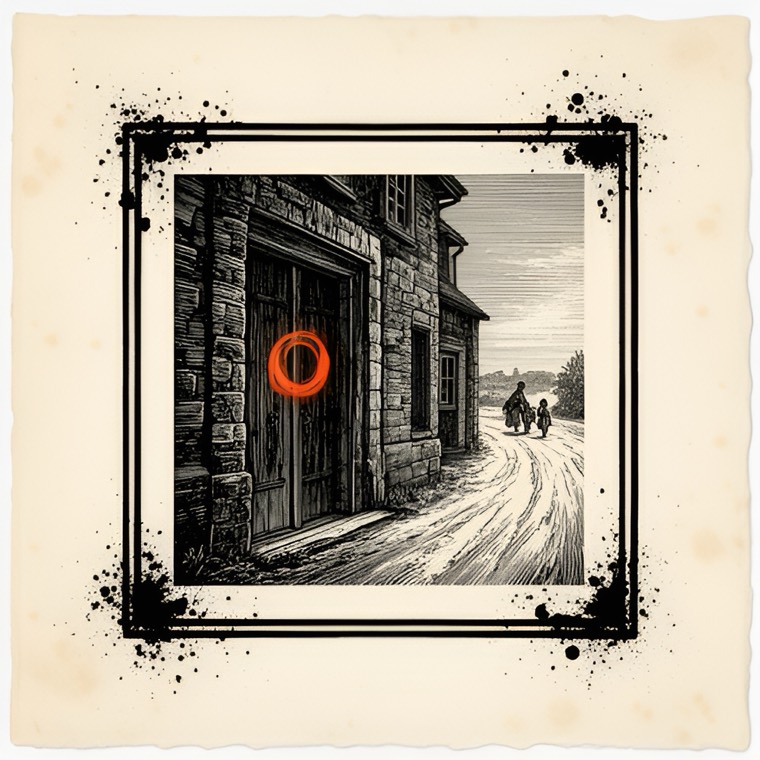
In the second week of July 2014, the Christians of Mosul began to find a mark painted on the walls of their houses. It was a single Arabic letter in red, the letter nun, the first letter of the word the Quran uses for the followers of the Nazarene. Beneath it was written: property of the Islamic State.
A few days later a statement was read out in the mosques and posted in the streets. The Christians were offered three choices. They could accept Islam. They could accept the contract of protection and pay the special tax that Islamic law imposes on Jews and Christians. If they refused both, the statement said, there would be nothing for them but the sword. A fourth course was added as a concession: they might leave the city. They had until noon on Saturday the nineteenth.
Christians had lived in Mosul for some seventeen centuries. Their churches were older than any mosque in the city, and they still prayed in a dialect of the language that Jesus spoke. By the Saturday deadline nearly all of them had gone. They walked out along the road to the Kurdish hills, and at the checkpoints the fighters took their money, their jewelry, their cars, and in some cases their medicines and wedding rings.
The patriarch of their church announced the news in one sentence. For the first time in the history of Iraq, he said, Mosul was empty of Christians.
4 more minutes: Where the Terms Came From, The Emperor's Stones, Interpretation, The Method
Members read every case to the end and watch each film before release. The complete argument is also in the book.